ANALYSIS_REPORT / DEACCESSION-A-COLLECTORS-GUIDE
Deaccession: A Collector's Guide to Selling Art from the Collection
When to sell, how to value, where to sell, and what the operational and reputational considerations are for a private collector considering a sale.
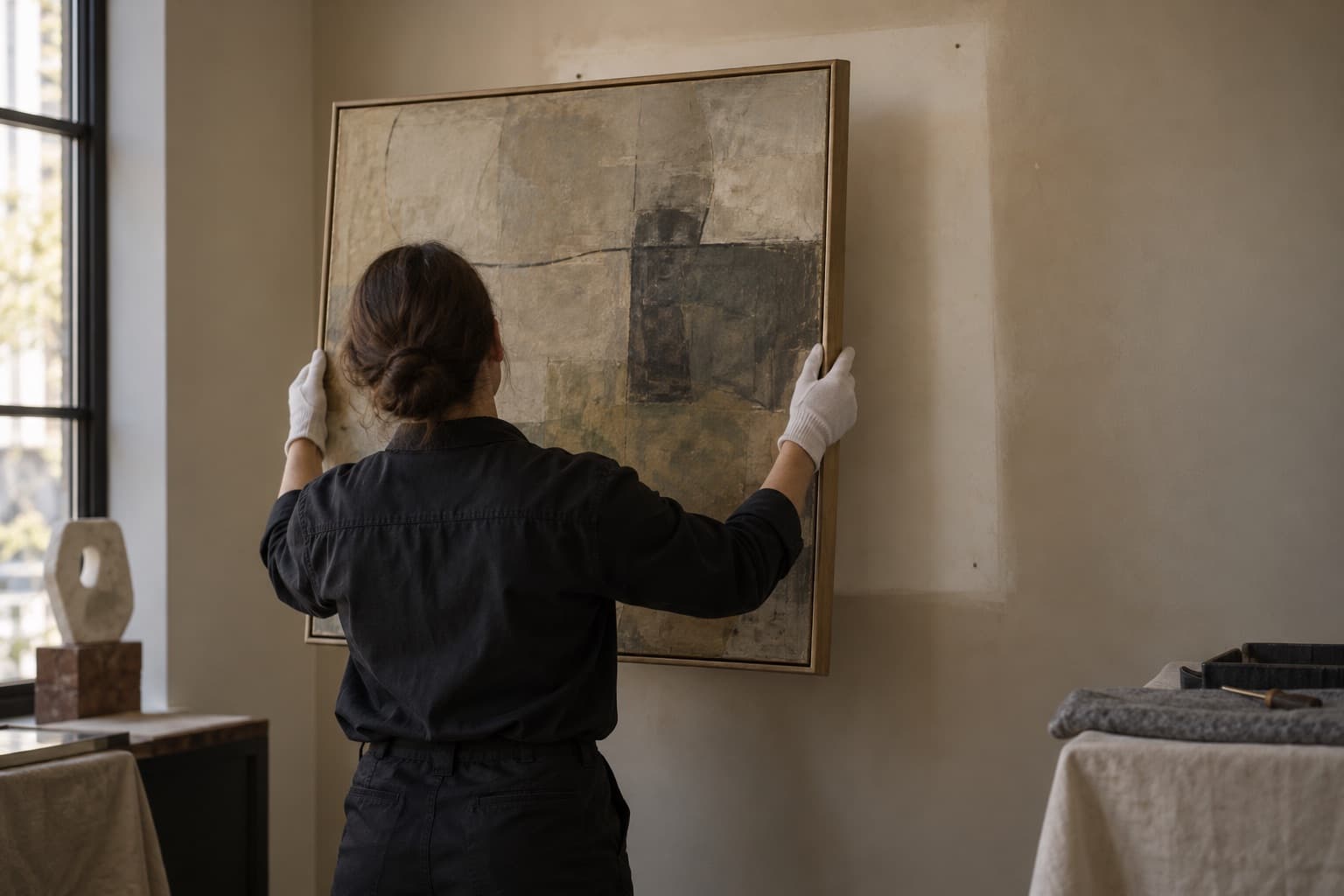
When deaccession is the right move
01Deaccession is the process of selling a work from a private collection. The decision to deaccession is a normal part of running a collection, not a sign of a failed collection or a forced sale. Most mature collectors deaccession works at some point in their collecting life, and the most successful collectors treat deaccession as a discipline, not as an event.
02The right moment to deaccession is when the work no longer serves the collection's strategy. The strategy may have shifted, the collector's taste may have evolved, the work may have been replaced by a stronger example, or the work may be funding an acquisition that better serves the collection. The wrong moment to deaccession is when the market is hot and the work is overvalued; selling at the top of the market usually means buying at the top of the market, and the collector's portfolio is no better off.
Valuing the work
01The value of a work is the price a willing buyer will pay a willing seller, with neither under compulsion. The valuation is supported by comparable sales, current asking prices, and the work's condition, provenance and exhibition history. The 2026 Art Basel and UBS Global Art Market Report notes that collectors who operate from a current valuation pay lower premia on acquisition and achieve higher prices on deaccession, because the valuation captures the work's market position at the time of the decision.
02A credible valuation is produced by an independent appraiser with documented experience in the relevant market. The valuation is supported by comparable sales, current asking prices, and a written statement of the methodology. A valuation that is produced by the gallery or auction house that will handle the sale is usually not acceptable, because of the conflict of interest.
The three main routes
01The three main routes for a private sale are auction, private sale through a dealer or advisor, and consignment to a gallery. Auction is the most public route, with the work offered in a scheduled sale and the hammer price published. Private sale is the most discreet, with the work offered to a small number of pre-qualified buyers and the price negotiated in private. Consignment to a gallery is the most flexible, with the gallery taking the work into its inventory and selling it through its existing programme.
02Each route has a different cost structure. Auction charges a seller's commission of 0 to 10 percent of the hammer price, depending on the auction house and the value of the work. Private sale through a dealer or advisor typically charges 5 to 15 percent of the sale price. Consignment to a gallery typically splits the commission with the gallery, with the gallery taking 50 percent of its standard commission and the collector taking the balance.
Choosing the route
01The right route depends on the work, the market, the collector's circumstances, and the collector's preference for visibility. Auction is the right route for a work with a clear market, a published estimate, and a collector who is comfortable with the visibility. Private sale is the right route for a work with a limited market, a price that requires negotiation, and a collector who prefers discretion. Consignment to a gallery is the right route for a work that the gallery can place into its existing programme.
02An advisor's role is to help the collector choose the right route for the work, not to default to any one route. A credible advisor is transparent about the strengths and limitations of each route, and helps the collector navigate the market in the route that fits the engagement.
The operational work
01The operational work of a deaccession is similar to the operational work of an acquisition. The collector reviews the work's record, the advisor prepares the documentation, the work is photographed, the condition report is updated, the provenance file is reviewed, and the work is prepared for shipping. The work is then consigned, sold, and the proceeds are distributed.
02A well-run deaccession is documented at every step. The collector has a written record of the decision, the valuation, the route, the sale, and the distribution of the proceeds. The record is part of the collection's ongoing documentation, and the proceeds are tracked separately from the collection's operating budget.
What to do with the proceeds
01The proceeds of a sale should be either reinvested in the collection or returned to the collector's broader portfolio. The decision is documented in writing, with the rationale for the decision and the timing of the reinvestment. A collector who sells a work and treats the proceeds as general income is a collector who will eventually sell more than the collection can sustain.
02A collector who sells a work and reinvests the proceeds in a stronger example is a collector who treats the collection as a long-term discipline. The discipline pays off in the quality of the collection, the cost of the next acquisition, and the satisfaction of the collector over the long run.
- 01The Art Basel and UBS Global Art Market Report 2026Art Basel and UBS ? Accessed August 13, 2026
- 02Collaboration with the Art MarketUNESCO ? Accessed August 13, 2026
Educational editorial content reflecting the author's professional perspective. Not legal, tax, appraisal or investment advice. No specific artwork, seller or transaction paid for inclusion.
Full policy ↗